
Understanding the Materials Behind Ferragamo Bags and Craftsmanship
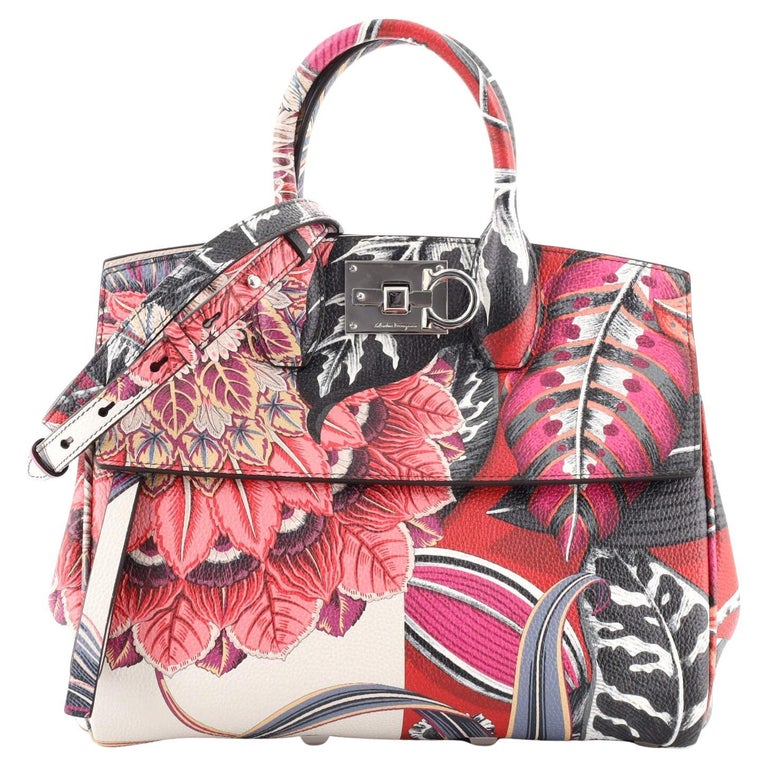
Long before leather goods took center stage, Salvatore Ferragamo established itself in footwear — and that craftsmanship-driven heritage still shape every Ferragamo bag turned out today. Any shopper exploring a Ferragamo shop initially will notice the language departs from the usual retail lexicon — calfskin grades, hardware finishes, artisanal stitching methods — since the brand regards its bags as feats of engineering instead of passing trend pieces. Grasping what drives the price helps a buyer choose intelligently instead of relying on branding alone. This overview details the fabrics, craftsmanship, and defining traits that set apart a well-made Salvatore Ferragamo bag from something merely branded. It also looks at how these choices endure real-world handling, since craftsmanship only matters if it survives contact with real life. By the end, you should be equipped to view a Ferragamo bags overview on any retail page and know what questions to ask before buying.
Leather Varieties Used Throughout the Range
Ferragamo is built chiefly around calfskin, but not all calfskin is equal, and the house draws on multiple finish types depending on the bag’s purpose. Smooth calfskin is the most common choice for firm-shaped top-handle styles because it holds shape without heavy interior scaffolding. Saffiano-style textured leathers appear on bags built for regular carrying, since the embossed cross pattern holds up against scuffing better than an unembossed finish. Suede and nubuck appear in special-occasion and evening designs, chosen for softness and depth of color instead of long-term wear, so they demand more careful handling. Exotic skins, including python and crocodile, appear in limited runs and carry noticeably higher prices due to sourcing and tanning complexity. Patent leather, finished with a glossy lacquer layer, gives certain Salvatore bag styles their high-gloss look and is less vulnerable ferragamo vara bow bag to moisture than untreated hides. Knowing the leather type used tells you almost everything about how it will hold up, show wear, and be maintained.
Gancini Hardware and the Vara Bow
Across decades of Ferragamo bag craftsmanship, a pair of signature elements keep showing up: the grosgrain-ribboned Vara bow and the stirrup-style Gancini fastener. The Vara bow, originally debuted on shoes in 1978, later found its way onto handbags and keeps appearing on newer collections, most often made of leather or fabric ribbon stitched directly onto the flap or strap. The Gancini, a stirrup-shaped metal hardware piece, traces back to an even earlier era and serves as both closure and brand marker on many top sellers. These elements are not decorative afterthoughts — they perform genuine mechanical roles, meaning durability hinges on the quality of the alloy. Superior-quality fittings stays resistant to tarnish and retains its finish after years of buckle and clasp use, which partly explains why older Ferragamo pieces on the secondhand market often retain their shine. Cheaper hardware alternatives on unauthorized listings tend to oxidize or discolor within a year, a fast method for flagging a suspect «ferregamo» post listed beyond trusted retail channels. When shopping, examining how heavy and polished the hardware feels reveals as much as checking the leather.
The Craft Methods Behind True Quality
Ferragamo’s ateliers in Florence depend on methods that trace back to classic Italian leathercraft apprenticeship, including hand-cut panels and edge-finishing applied in several thin layers instead of a single heavy one. Edge painting matters more than most buyers realize: edges finished correctly resist cracking or peeling even with repeated bending, while a rushed job shows fraying within months. Stitch tightness is a further indicator — seek out consistent, snug stitching along pressure zones including handle attachments and zip tracks, since loose stitching there is usually the first failure point on a leather handbag. Structured styles commonly feature a reinforced bottom, sometimes with metal studs, to keep the base from bowing, a small detail that affects resale value years later. Interior linings range from logo-jacquard textile to smooth leather, with leather linings generally found on higher-tier bags and priced at a premium because of it. The junctures where hardware meets strap, notably on shoulder and crossbody styles, get reinforced via added stitching or rivets rather than adhesive alone, which is a crucial factor that separates a durable investment from a short-lived one.
What to Check Before Purchasing a Bag
No matter if you’re shopping in-store or through an digital Ferragamo storefront, a short physical inspection list helps avoid disappointment later. First, scrutinize the leather grain under strong lighting for evenness — natural variation is expected, but blotchy tone suggests a lower grade hide. Second, try out the zipper and clasp mechanisms repeatedly, since effortless, friction-free operation indicates precisely fitted hardware. Next, check balance: pockets, straps, and stitching lines should match up exactly, as unevenness often signals a flawed unit or non-authentic piece. Moving on, sniff the leather — authentic premium leather has a faint, earthy smell, while harsh, man-made scents can indicate imitation materials or low-quality tanning processes. As a fifth step, look at the interior stamp and authenticity card, expected additions with genuine Salvatore Ferragamo bags sold through approved sellers. To conclude, factor in the bag’s intended use; a soft suede shoulder bag and a rigid saffiano-style tote serve widely varying daily needs, and pairing material with routine use guards against premature wear.
A Look at Well-Known Ferragamo Bag Types
Within the collection, different bag families use different material strategies, and a side-by-side comparison makes it easier to see which fits a given buyer best. The table below lays out four frequently mentioned categories among shoppers researching the best Ferragamo bags and top Ferragamo bags for daily wear compared to special-occasion use.
| Bag Type | Core Material Used | Standard Hardware Type | Ideal Use |
|---|---|---|---|
| Structured Top-Handle | Fine, smooth calfskin | Gancini clasp with a polished finish | Workplace or formal day use |
| Tote for Everyday Wear | Leather with a saffiano finish | Sturdy metal ring hardware | Everyday travel and commuting |
| Evening-Style Clutch | Suede or satin | Sleek Vara bow accent | Special events, evening use |
| Crossbody | Leather with texture or grain | Clasp-fastened chain or leather strap | Everyday casual use, hands-free days |
Such a comparison is useful groundwork before settling on specific models, since material choice should match how often and in what settings the bag will be used day to day. A top-handle style bag in smooth calfskin, for example, is a weak fit for someone who needs a rugged daily bag subjected to the elements, while a saffiano tote manages those conditions with considerably less worry.
How to Maintain Your Ferragamo Bag for the Long Run
Material knowledge really pays dividends if accompanied by correct upkeep, and Ferragamo bags favor those who stay consistent with care. Fine calfskin should be treated periodically, every couple of months with a leather-specific product to prevent drying and surface cracking, especially in low-humidity climates. Suede pieces of the bag need a dedicated brush and should steer completely clear of moisture, since moisture leaves irreversible discoloration on the napped texture. Saffiano and textured leathers are more forgiving but still do well with wiping with a slightly damp cloth to clear away grime before it embeds in the grain. To keep hardware in shape, it should stay dry and get an occasional polish with a soft cloth, while abrasive cleaners that strip the plating should be avoided. How you store the bag matters as well — stuffing the bag lightly to hold shape and keeping it in a dust bag away from direct sunlight prevents both structural sagging and color fading. Improper storage for just one humid season risks mold forming on the interior lining, an expensive and preventable error.
How to Choose Wisely
Deciding between the Salvatore Ferragamo bag lineup becomes far easier once you grasp what you’re actually paying for — the leather grade, the hardware quality, the hand-finishing time, and the construction techniques that shape the bag’s long-term aging. A well-informed buyer comparing options in a Ferragamo shop can move past marketing language and evaluate a bag the way an artisan would: through touch, stitching, and weight. Whether the goal is a structured investment piece or a rugged daily companion, pairing the right material with its intended use is by far the most dependable method to get long-term value. The best Ferragamo bags aren’t necessarily the most expensive ones in a given season, but the ones whose materials and construction suit how they’ll actually be used. With this groundwork, assessing any Ferragamo bag roundup — new arrivals or archival styles — becomes an exercise done with far greater confidence.
0 comentarios